Deep in the Heart:
Autism Resources for Texas Spectrum families
From the heart of Dallas to the neighborhoods of Houston and Austin, we’re growing together. Our in-home and ABA center support empowers our Texas autism community to live fully, learn deeply, and stay connected at every stage of the journey.
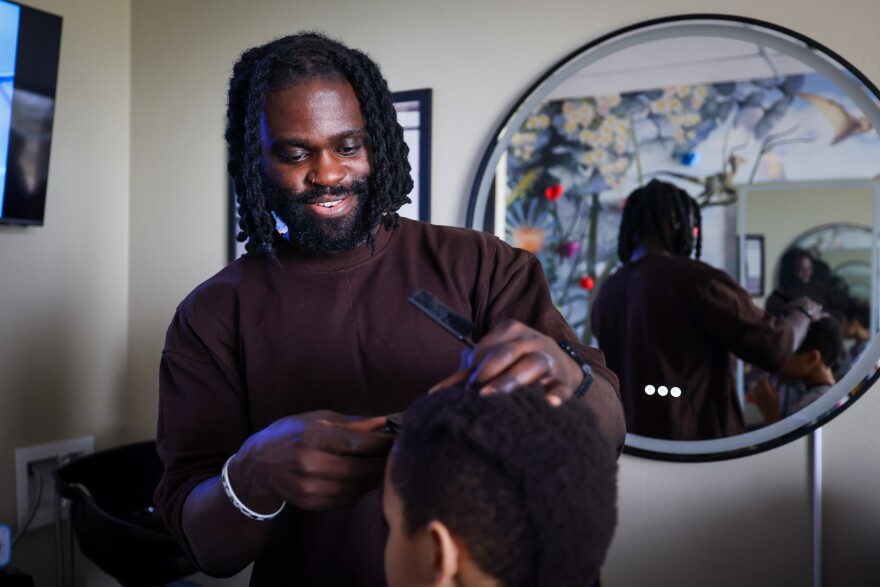
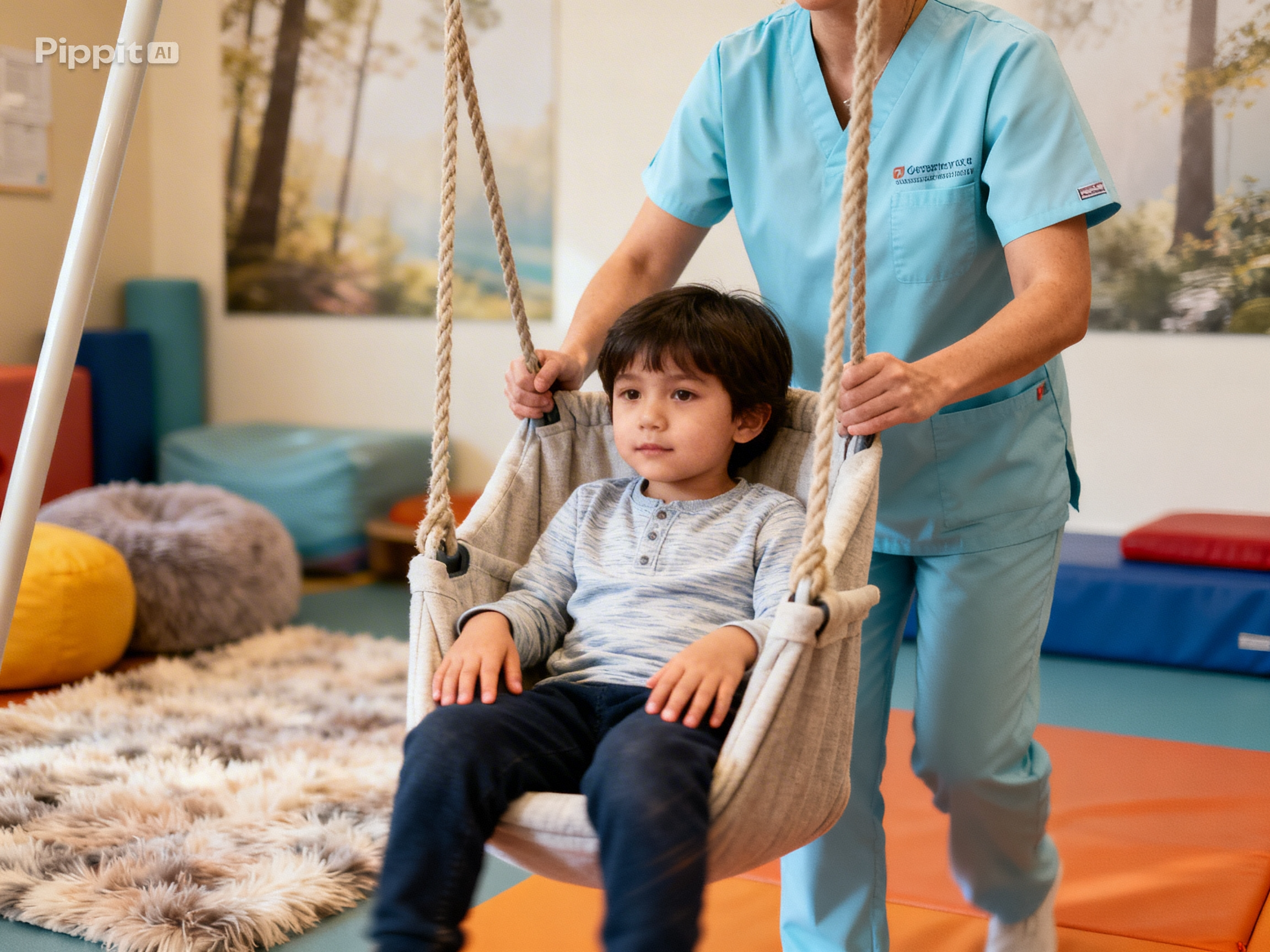
Operated by barber Henry Amoloja, this 900-square-foot “sensory dream” facility is specifically designed for children with autism and sensory sensitivities.
Our in-home ABA therapy services cover the Entire Dallas-Fort Worth Metroplex, including, but not limited to, Celina, Waxahachie, Terrell, Royse City, and nearby counties.
We cover the entire Houston area, including Lampasas, Temple, San Antonio, Brenham, and nearby counties—bringing personalized support to families where they live.
A dedicated sensory-safe barbershop in Richardson, TX, run by Henry “Tribes” Amoloja. The shop specializes in serving neurodivergent children by providing a calm environment, using weighted capes, fidget toys, and
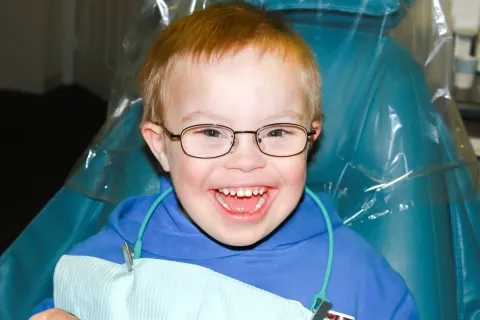
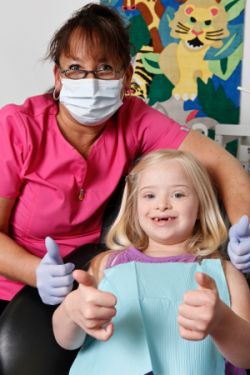
With locations in Texas, Believe Dental has dentists experienced in treating patients with special needs, including autism. They prioritize working collaboratively with parents and caretakers to ensure a positive dental
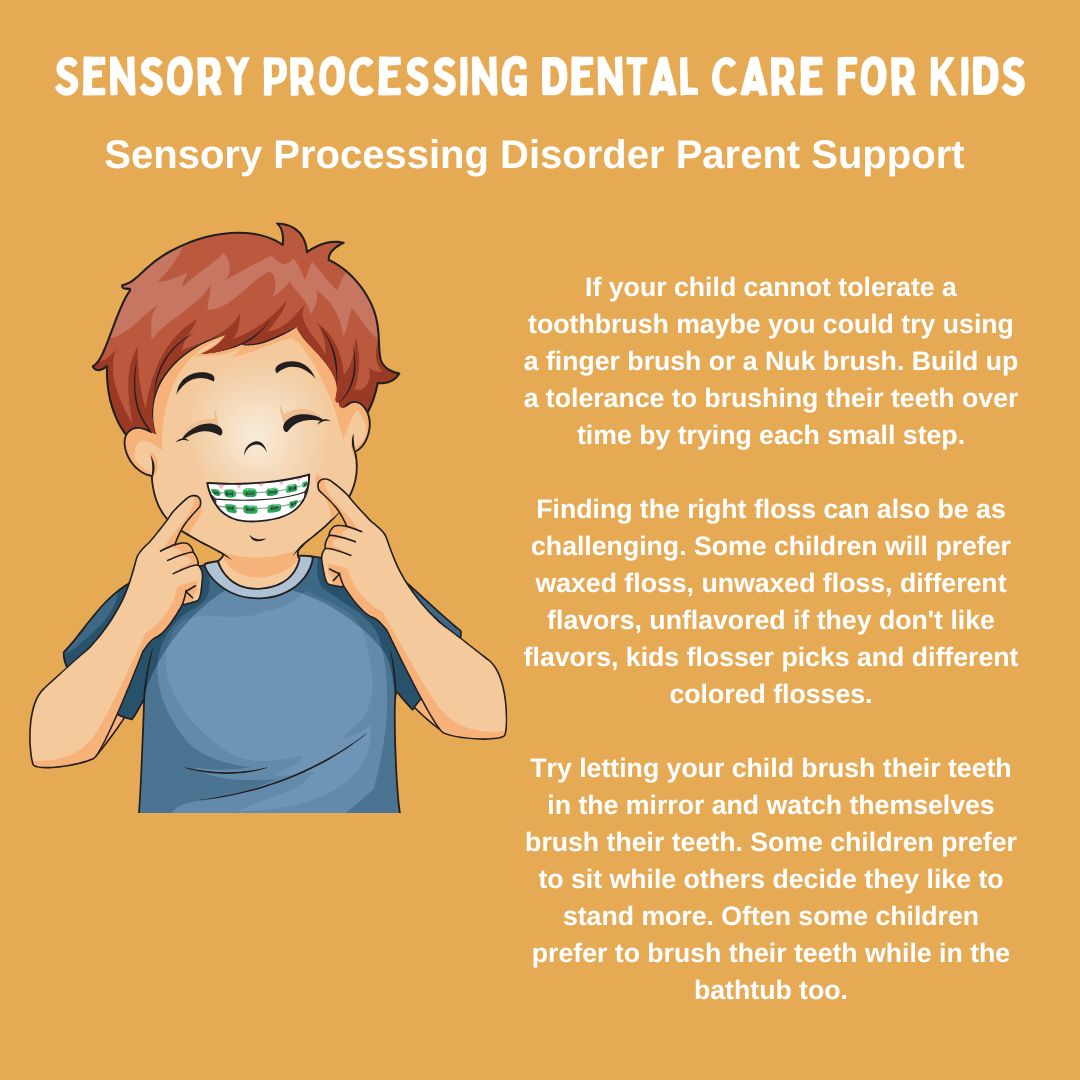
A Beaumont, TX, dental office that delivers customized dental care for children with autism. They also focus on providing caregivers and parents with practical tips for maintaining oral health at
Located in Austin, TX, this practice offers quality dental care from a pediatric dentist with extensive training in special needs dentistry, ensuring a supportive environment for children with autism.
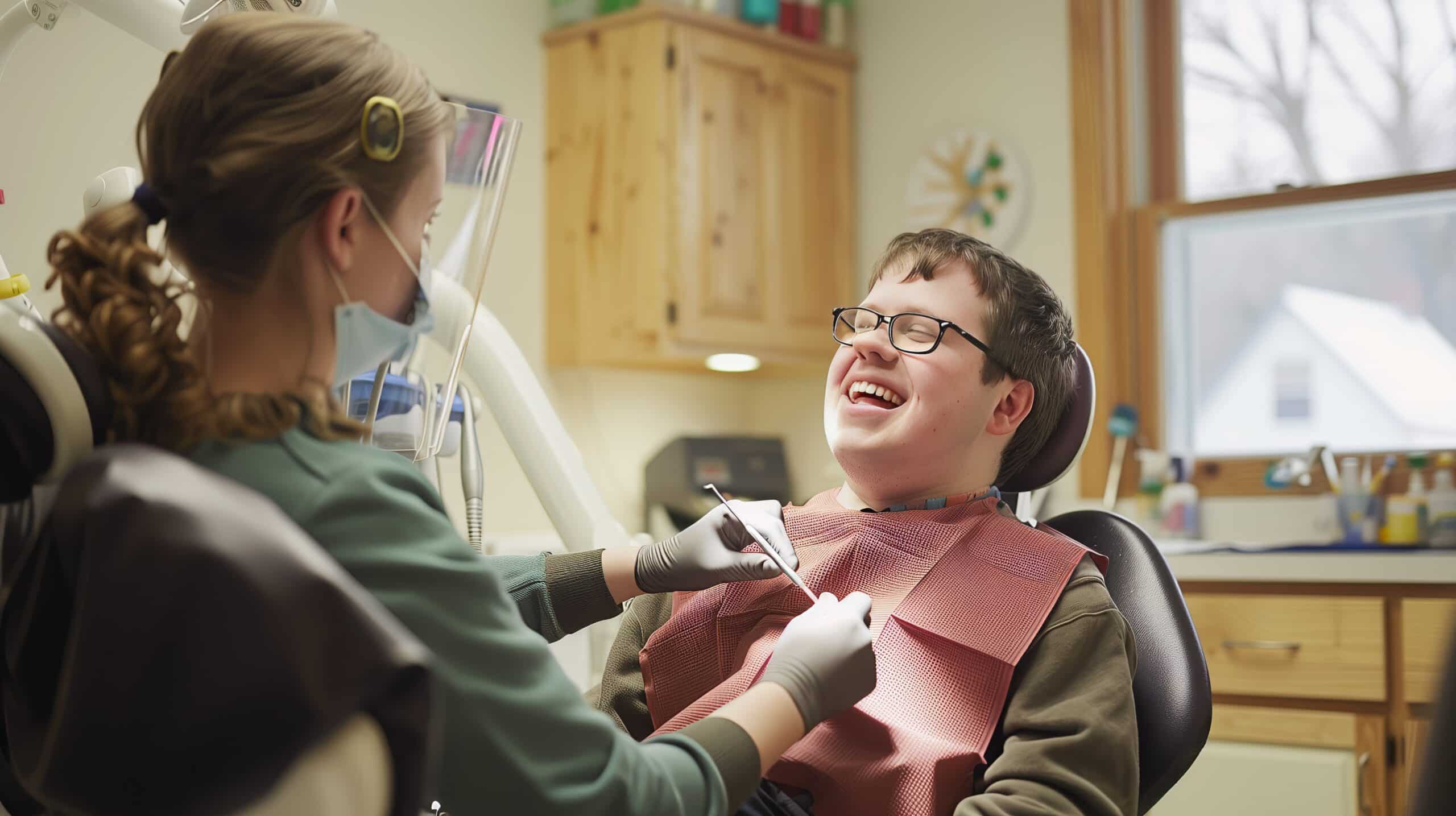
Dr. Morgan’s office in Irving, TX, provides dental care tailored to children with developmental delays and sensory sensitivities. They encourage parent involvement and utilize pre-visit consultations to prepare families and
A dental practice in Lewisville, TX, known for its gentle approach to patients with special needs. They offer oral sedation, personalized care plans based on individual tolerance, and maintain consistent
Located in the Dallas area, Bee Kids Dental provides pediatric care that accommodates children with autism, ADHD, and other special needs. The office features calming visuals and clinicians trained in
April 24th marks the exciting return of Acceptance Matters, the North East Autism Society’s virtual conference dedicated to amplifying autistic voices, challenging outdated thinking, and
Find answers to common questions about autism, our services, and how to get started. Can’t find what you’re looking for? Call our helpline — we’re here to help.
What is autism spectrum disorder (ASD)?
Autism spectrum disorder is a developmental condition that affects how a person communicates, interacts socially, and processes sensory information. It’s called a ‘spectrum’ because it manifests differently in every individual.
How can I have my child evaluated for autism?
Your child can be evaluated by specialists such as a developmental pediatrician, neurologist, psychiatrist, or licensed psychologist, sometimes in collaboration with a behavior analyst team.
Are your services available outside of Texas?
No—services are primarily offered within Texas (e.g., in Brownsville and nearby areas).
How can I get involved or volunteer?
They don’t clearly list volunteer programs, but you can contact them directly through their website to ask about involvement or support opportunities.
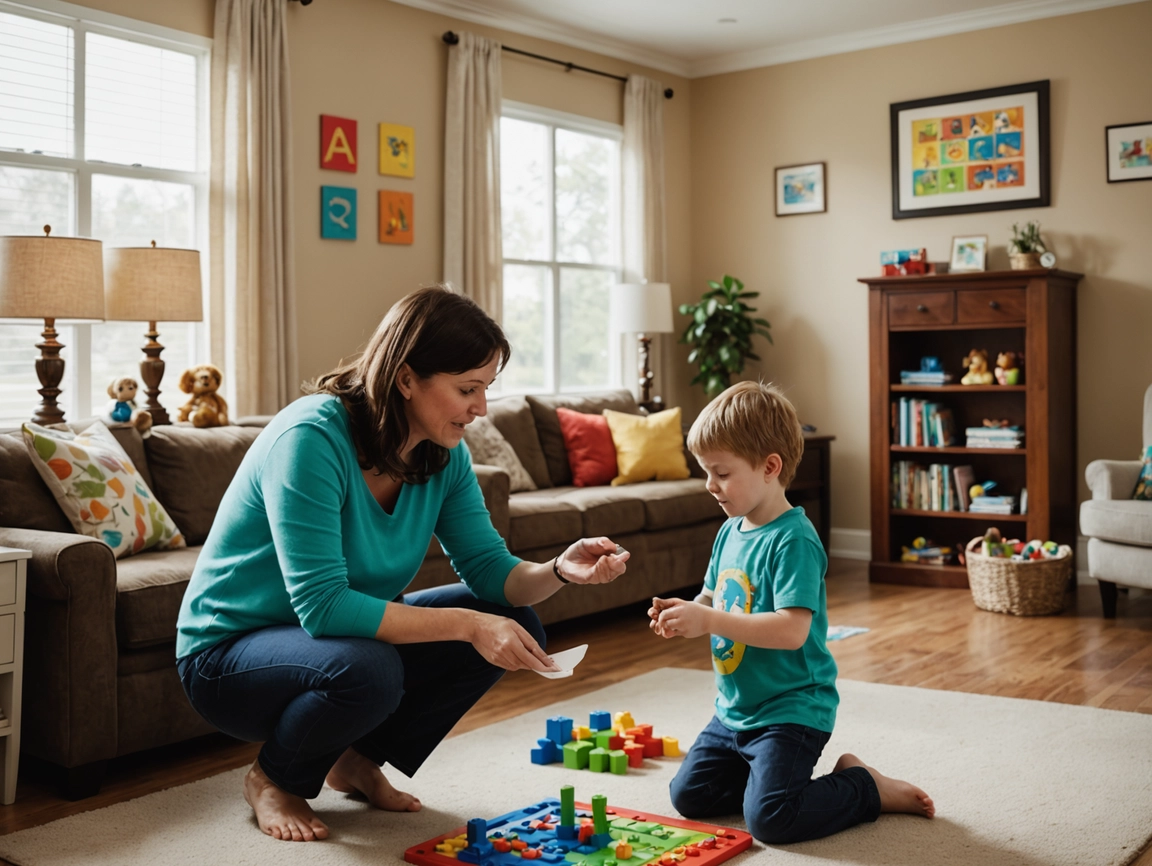
In-home ABA therapy is Applied Behavior Analysis provided in a child’s home environment. Therapists work one-on-one with children to improve communication, social, behavioral, and daily living skills using personalized strategies and positive reinforcement.
ABA therapists use structured activities, play, and daily routines to teach new skills and reduce challenging behaviors. Therapy takes place in familiar environments, helping children apply skills naturally in everyday life.
Yes. Many families find in-home ABA therapy effective because children learn skills where they spend most of their time. It also allows therapists to address real-life routines and behaviors directly.
ABA therapy can help improve: Communication skills Social interaction Attention and focus Daily living skills Emotional regulation Problem behaviors such as aggression, tantrums, or self-injury
The number of hours varies based on the child’s needs, goals, and assessment results. Some children benefit from 10–15 hours weekly, while others may require more intensive programs.
Sessions may include: Play-based learning Communication exercises Behavior management strategies Social skills practice Daily routine training Parent coaching and feedback
Therapists use positive reinforcement, modeling, repetition, and interactive activities to teach children how to express needs, follow directions, interact socially, and build relationships.
Many insurance plans cover ABA therapy, especially for children diagnosed with autism spectrum disorder. Coverage depends on your provider, policy, and state requirements.
Costs vary depending on location, therapy hours, and insurance coverage. Without insurance, ABA therapy can be expensive, but many providers offer assistance with insurance verification and payment options.